
CBK Licenses 25 More Digital Lenders, Bringing Total to 252
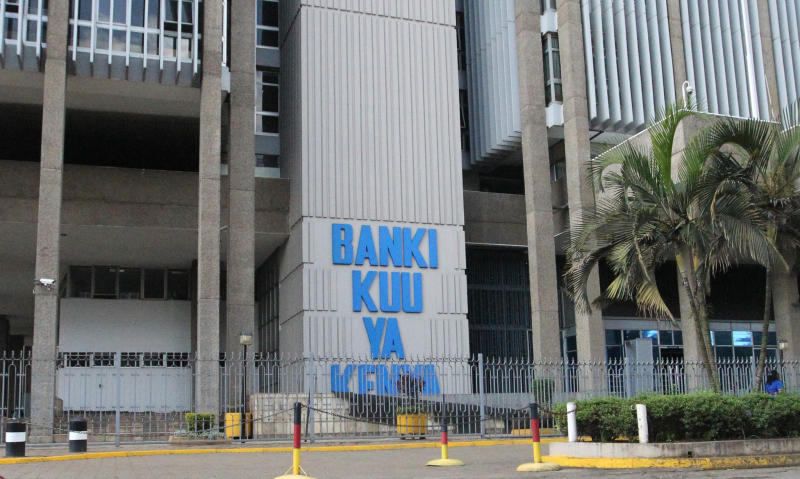
CBK
The Central Bank of Kenya (CBK) has licensed an additional 25 Digital Credit Providers (DCPs), bringing the total number of licensed digital lenders in the country to 252 as it continues to tighten oversight of the fast-growing digital lending sector.
In a statement issued on Tuesday, CBK said the latest approvals were granted under Section 59(2) of the Central Bank of Kenya Act and follow the licensing of 32 digital credit providers announced in April 2026.
The regulator said it has received more than 800 applications for digital credit provider licences since March 2022 and has been working closely with applicants to review their submissions.
According to the CBK, the licensing process focuses on business models, consumer protection measures, and the fitness and propriety of proposed shareholders, directors and management teams to ensure compliance with the law and safeguard customers’ interests.
The bank acknowledged the efforts of applicants and the support of other regulators and government agencies involved in the licensing process.
Digital Credit Providers primarily offer loans through digital platforms, including Unstructured Supplementary Service Data (USSD) channels. Their products range from education and development loans to short-term personal credit, asset financing and business loans.
CBK said licensed digital lenders had, by May 2026, disbursed 8,374,102 loans worth KSh150.56 billion, underscoring the sector’s growing role in expanding access to credit.
The regulator noted that other licence applications remain under review, with many awaiting the submission of additional documentation. It urged applicants to submit the required documents promptly to facilitate completion of the review process.
The central bank also called on members of the public to report any unregulated digital credit providers through its dedicated email address as part of efforts to strengthen compliance within the industry.
CBK said the licensing and supervision of digital lenders was introduced in response to widespread public concerns over the conduct of unregulated lenders, including predatory lending practices, high borrowing costs, unethical debt collection methods and misuse of customers’ personal information.
The regulator maintained that the licensing framework is intended to promote responsible digital lending while enhancing consumer protection and confidence in Kenya’s digital financial services sector.