
KRA, KPA Deepen Port Reforms as Mombasa Cargo Volumes Hit 2.1 Million TEUs
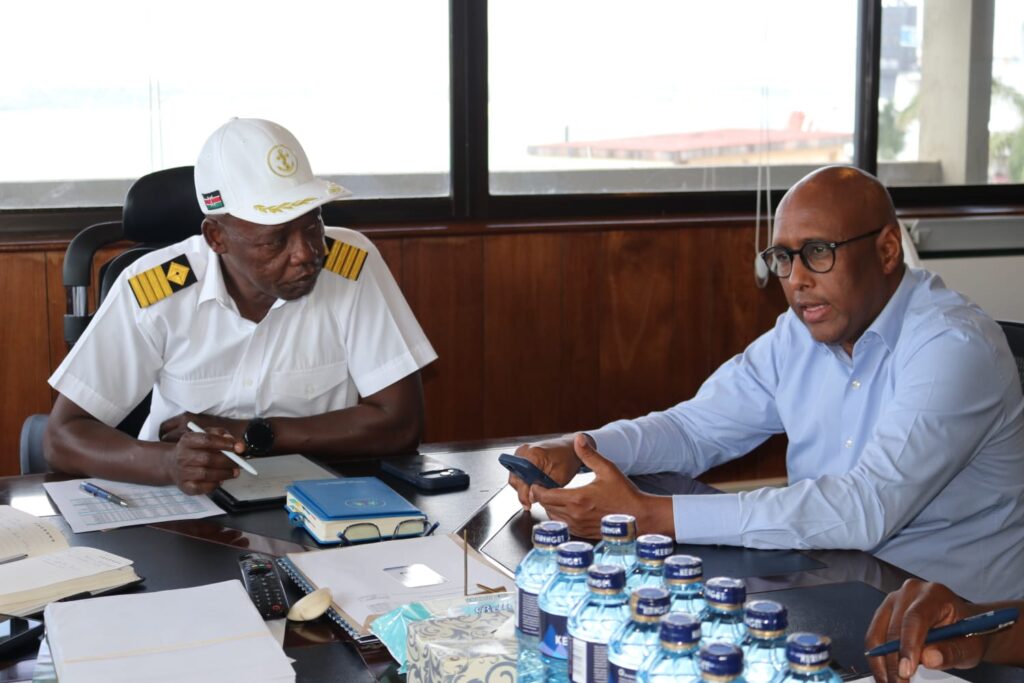
The Kenya Revenue Authority (KRA) and Kenya Ports Authority (KPA) have agreed on a fresh round of operational and digital reforms aimed at improving cargo clearance efficiency at the Port of Mombasa, which currently handles about 2.1 million Twenty-foot Equivalent Units (TEUs) annually. The agencies said the measures are intended to reduce delays, improve supply-chain visibility and strengthen Mombasa’s position as the region’s main maritime gateway.
The reforms were discussed during a high-level coordination meeting attended by KRA, KPA, regulatory agencies, the Mombasa County Government, Container Freight Station (CFS) operators, shipping agents and private-sector representatives. The meeting reviewed ongoing port reforms and agreed on measures to improve cargo movement through the facility.
KRA Commissioner General Adan Mohammed said closer collaboration between government agencies and businesses was necessary to improve cargo clearance and support economic activity.
“The success of our port depends on our ability to work together. Our objective is to create a seamless, predictable and efficient cargo clearance environment that supports business growth while protecting the country’s revenue,” Mohammed said. “Through continuous engagement with our stakeholders, we are removing bottlenecks, embracing technology and strengthening compliance to create a level playing field for all traders.”
A major focus of the meeting was the Advanced Cargo Declaration (ACD) system, which allows cargo documentation to be submitted and verified before goods are loaded at the port of export. KRA said the platform had received more than 1,000 applications since its rollout on 3 August 2026, indicating growing uptake among traders and shipping companies.
Industry stakeholders described the ACD system as a significant step in trade facilitation and agreed to continue consultations on operational requirements to ensure a smooth transition.
KRA and KPA also announced plans to begin piloting a Smart Gate system at the Port of Mombasa. The system will be linked to the Integrated Customs Management System (iCMS) and Partner Government Agencies and is expected to automate cargo movement, improve transparency across the supply chain and reduce congestion at port exit points. To support continuous operations, the two agencies said they would harmonise staff shifts at the gates.
With cargo volumes continuing to rise, the meeting also explored the use of Inland Container Depots (ICDs) and Container Freight Stations in both Nairobi and Mombasa to ease pressure on port space. CFS operators were urged to operate on a 24-hour, seven-day basis and offer favourable tariffs to support uninterrupted cargo evacuation.
Mohammed said KRA would continue facilitating compliant trade while maintaining strict enforcement against tax evasion and fraud.
“KRA will continue supporting honest businesses through efficient service delivery, but we shall maintain zero tolerance against deliberate non-compliance. Effective enforcement protects compliant traders, safeguards government revenue and enhances Kenya’s competitiveness as a regional trade and logistics hub,” he said.
The agencies said they would maintain a structured engagement platform with industry stakeholders to address operational bottlenecks and advance reforms aimed at positioning the Port of Mombasa as the preferred gateway for regional and international trade.