Kenya Names Preferred Bidders for Three Strategic Mineral Projects
Mining Cabinet Secretary Hassan Joho has named preferred bidders for niobium and rare earth deposits at Mrima Hill, chromite in Samburu and copper in Tharaka Nithi, subject to community consent and licensing.

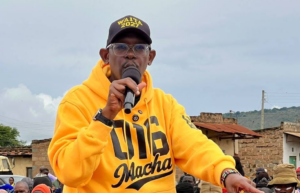
Ali Hassan Joho
Kenya has selected preferred bidders for three strategic mineral development projects covering niobium, rare earth elements, chromite and copper, marking a major step in the Government’s plan to attract investment into the country’s mineral resources.
Mining Cabinet Secretary Hassan Ali Joho said on Thursday, November 19, that the Ministry of Mining, Blue Economy and Maritime Affairs had completed evaluation of tenders and issued notices of intention to award to the highest-scoring responsive bidders.
The preferred investor for the Mrima Hill Niobium, Rare Earth Elements and Other Minerals Project in Kwale County is Frontier Minerals Consortium, comprising Frontier Minerals LLC, Bunker Hill Mining Corp, ReElement Technologies and American Resources Corporation.
In Samburu County, the Kang’ura Chromite Development Project is set to be taken up by a joint venture between Fangda Special Steel Technology Co. Ltd and Sinohydro Corporation.
The same joint venture was named preferred bidder for the Kamacabi Copper Development Project in Tharaka Nithi County.
Two mineral tenders fail to attract qualifying bids
The ministry said the tender for the Lali Hills Manganese Project in Tana River County and the Kiritiri Coltan Project in Embu County did not produce a responsive qualifying bid at this stage. The two projects will be handled separately in accordance with the law.
The Government had earlier gazetted deposits of niobium, rare earth elements, chromite, copper, manganese and coltan for commercialisation through a competitive public tender process.
According to Joho, the process was conducted under the Mining Act, the Mining (Award of Mineral Rights by Tender) Regulations, 2017, and the Public Procurement and Asset Disposal Act, 2015.
The tender process began with a public request for expressions of interest published in March 2026 through the Kenya Gazette, The East African, MyGov and the State Department for Mining website. Shortlisted companies received requests for proposals in July, followed by a mandatory pre-bid conference in August and written clarifications to prospective bidders.
Bids were opened on October 21 and subjected to a three-stage evaluation covering mandatory legal and compliance requirements, technical capacity and financial strength.
The technical assessment considered geological and exploration expertise, plans for mineral processing and beneficiation in Kenya, local content and employment commitments, environmental restoration, biodiversity management and protection of cultural heritage. Bidders were required to attain a minimum technical score of 80 per cent.
Community consent required before prospecting
The notices of intention to award do not amount to mining or prospecting licences, and the successful bidders cannot immediately begin operations.
Joho said the selected companies must first engage host communities, landowners, county leadership and other local stakeholders and obtain all consents required by law.
They will then be required to submit applications for prospecting licences through the Ministry’s Online Mining Cadastre portal, accompanied by the necessary consents and statutory documents and payment of prescribed fees.
The applications will be reviewed by the Mineral Rights Board, which will make recommendations before the Cabinet Secretary can grant the licences, subject to compliance with all legal requirements.
“No prospecting operation can proceed without the social licence and formal consents of the people on the ground,” Joho said, urging the preferred bidders to approach host communities with transparency and respect.
Government targets local value addition
The ministry said the competitive process was intended to identify investors with the technical expertise and financial capacity to develop the deposits while supporting local processing, employment, environmental protection and community benefits.
The Government has also committed to ensuring that mineral development incorporates environmental safeguards, in-country value addition and statutory royalty-sharing arrangements.
Residents and local leaders in Kwale, Samburu and Tharaka Nithi have been invited to participate in the community engagement processes expected to precede applications for prospecting licences.
The next phase will determine whether the preferred bidders can secure the necessary community consents and satisfy the regulatory requirements before any exploration activity begins.