Playing Politics With Mangoes? Questions as Kibwana, Kaloki Take On Governor Mutula Kilonzo Jr

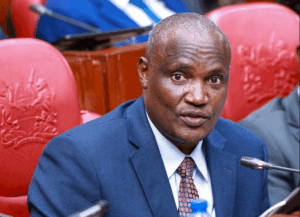
A political storm is brewing in Makueni County, shifting focus from agricultural progress to public exchanges involving former Governor Kivutha Kibwana, former Kibwezi MP Philip Kaloki, Speaker Douglas Mbilu, and Governor Mutula Kilonzo Jr.
At the centre of the dispute is the county’s mango value-addition programme, an initiative widely regarded as one of devolution’s most practical gains. Makueni produces over 200,000 metric tonnes of mangoes annually, supporting more than 70,000 households.
The county government has invested in facilities such as the Kalamba Fruit Processing Plant, the Wote Aggregation Centre, and cold storage infrastructure. By mid-January 2026, the Kalamba plant had already received over 250 metric tonnes, backed by a KSh 13.9 million allocation and partnerships with seven cooperatives.
Despite these strides, criticism has intensified, raising questions about timing and intent. Some of the most pointed concerns include:
How did Speaker Douglas Mbilu on day one assert that mangoes were “from outside” the county before any truck was cleared?
Why did the weighbridge fail in the very first week—something never witnessed before—leading to delayed deliveries?
How did a previously functional cold storage facility at Tulimani suddenly break down immediately after mangoes were delivered?
At what point do coincidences stop being coincidences?
Could there have been a calculated sabotage by respected leaders keen on making Governor Mutula Kilonzo Jr appear to be failing?

Beyond mangoes, a broader political question lingers. Kibwana sought a Senate comeback in 2022, losing to Daniel Maanzo, and speculation persists that he may try again in 2027.
This has prompted citizens to ask: what exactly does Kibwana want in Makueni politics today?
For young people, the concern is deeper. As senior leaders recycle themselves through familiar political battles, many youths are asking where their space for growth, leadership, and economic opportunity lies.

In a county where mangoes are livelihoods—not political tools—accountability must be evidence-based and constructive. When politics overshadows systems, it is farmers and the next generation who stand to lose the most.