Chivayo Links Spark Fresh Controversy Over Proposed JKIA Expansion Deal
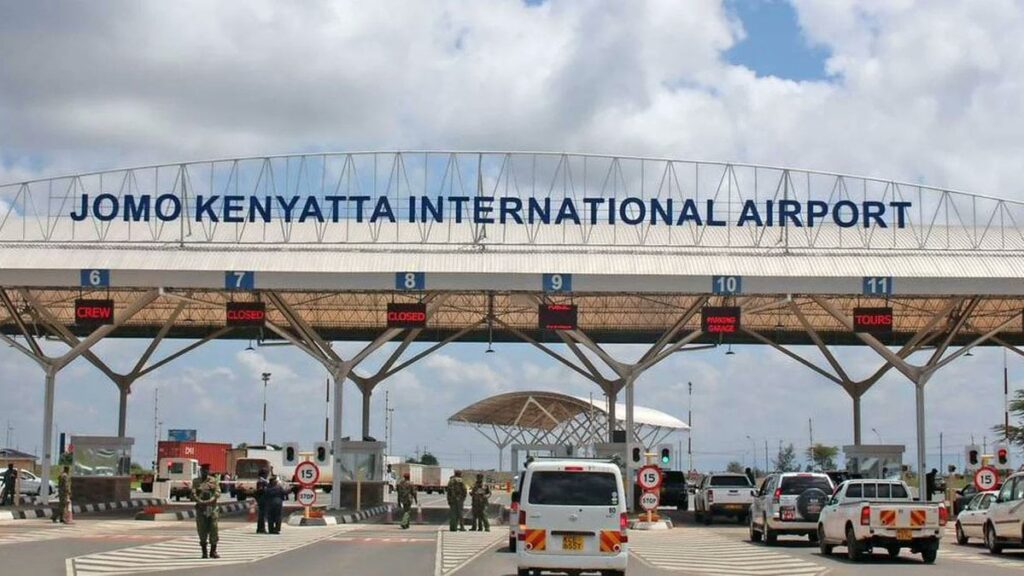
JKIA
A proposed multi-billion-dollar expansion of Jomo Kenyatta International Airport (JKIA) has ignited fresh political and public debate following reports linking Zimbabwean businessman Wicknell Chivayo to companies associated with the project.
The controversy has intensified scrutiny of the planned modernization and expansion of Kenya’s largest airport, with critics demanding greater transparency over the procurement process, project ownership structures, and the identities of individuals and firms expected to benefit from the deal.
The project, estimated to be worth approximately $2.9 billion (about KSh375 billion), is intended to transform JKIA into a regional aviation hub through expanded passenger terminals, improved cargo handling facilities, upgraded runways, and modern airport infrastructure.
However, attention has shifted from the infrastructure ambitions to allegations that Chivayo, a controversial Zimbabwean businessman known for securing major government-linked contracts in Southern Africa, may have links to firms involved in the transaction. The reports have triggered questions from political leaders, civil society organizations, and aviation stakeholders who want details of the project’s financing and ownership arrangements made public.
Chivayo has become one of the most recognizable business figures in Zimbabwe due to his involvement in large infrastructure projects and his close ties to political leaders. His name has frequently attracted controversy, particularly regarding public procurement deals and government contracts.

The emerging debate comes months after previous concerns over foreign participation in strategic infrastructure projects, with critics arguing that major national assets should be subjected to rigorous public scrutiny before agreements are finalized.
In response to reports linking external investors and foreign business interests to the airport project, the Kenya Airports Authority (KAA) has previously issued clarifications aimed at addressing public concerns regarding the modernization programme and the parties involved.
Supporters of the expansion argue that JKIA urgently requires modernization to accommodate growing passenger numbers and maintain Kenya’s competitiveness as East Africa’s leading aviation gateway. They contend that attracting international investors is critical given the scale of capital required for such a project.
Opponents, however, maintain that transparency must remain at the center of any agreement involving strategic national infrastructure. They are calling for the full disclosure of contracts, investors, financing arrangements, and procurement procedures before the project proceeds.
The controversy is expected to fuel further political debate in the coming weeks as lawmakers and oversight agencies examine the details of the proposed airport expansion and the reported links to Chivayo.
For Kenya, the outcome could shape not only the future of JKIA but also broader discussions around public procurement, foreign investment, and accountability in major infrastructure projects.