Schneider Electric Pushes SF₆-Free Switchgear Adoption as East Africa Accelerates Green Energy Transition
[Photo/Schneider Electric]
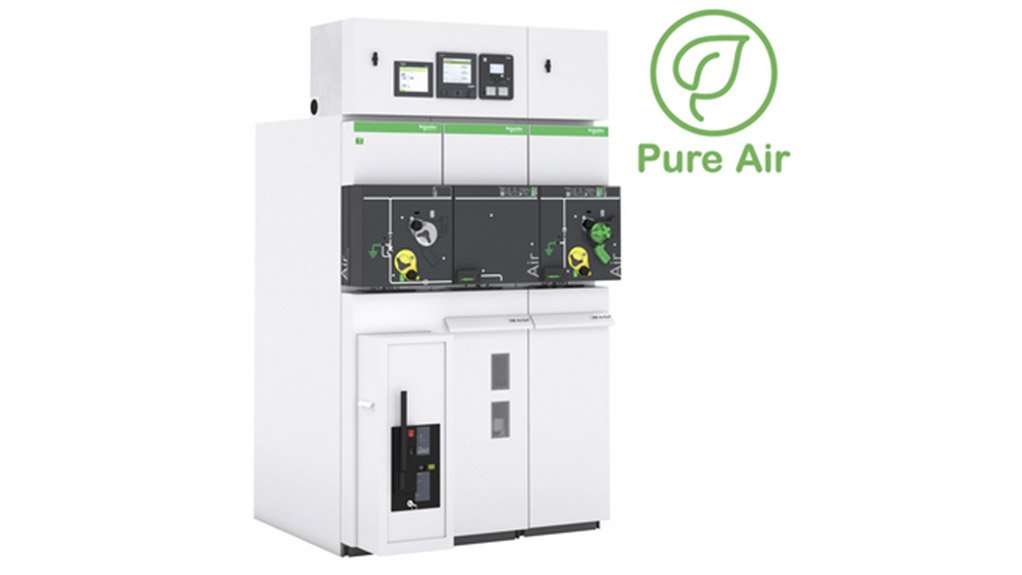
Schneider Electric is accelerating the deployment of its SF₆-free medium-voltage switchgear technology across East Africa as governments, utilities, industrial operators and commercial enterprises seek to modernise electrical infrastructure while meeting growing decarbonisation targets.
The global energy management and automation company says demand for its SM AirSeT pure-air switchgear has risen significantly over the past year across Kenya, Uganda, Tanzania, Rwanda, Burundi and Ethiopia, driven by rapid electrification, industrialisation, digitalisation and increasing pressure to comply with environmental regulations.
The technology forms part of Schneider Electric’s AirSeT portfolio and replaces sulphur hexafluoride (SF₆) — a greenhouse gas with a global warming potential 24,300 times greater than carbon dioxide — with pure air, offering organisations a lower-carbon alternative for medium-voltage power distribution.
The growing uptake comes as countries and businesses face mounting pressure to reduce emissions across their operations and supply chains while maintaining reliable electricity networks.
“The strong adoption of SM AirSeT across East Africa reflects the region’s commitment to sustainable growth,” said Symphrose Ochieng, Infrastructure Segment and Power Systems Business Leader at Schneider Electric East Africa.
“From utilities expanding medium-voltage networks to data centres powering the digital economy, and from manufacturing plants to critical infrastructure like airports and seaports, customers are looking for solutions that combine reliability, safety and sustainability. SM AirSeT delivers on all fronts, offering a future-ready, SF₆-free technology that helps businesses and public services meet rising energy demand while accelerating their decarbonisation journey.”
Global Recognition
The AirSeT portfolio recently received international recognition from the World Economic Forum’s Alliance of CEO Climate Leaders, which named it a champion in the Scope 3 Downstream Solutions – Sustainable Design category.
The recognition highlights the role of AirSeT technology in helping organisations reduce emissions throughout the lifecycle of electrical infrastructure and strengthen sustainability performance beyond their direct operations.
The award also underscores growing global momentum towards eliminating SF₆ from electrical networks, as regulators and businesses seek alternatives that support climate goals without sacrificing operational performance.
Rising Demand Across East Africa
Schneider Electric says East Africa’s ongoing investments in electrification, industrial expansion and digital infrastructure are creating strong demand for sustainable medium-voltage distribution systems.
The company believes SM AirSeT is well positioned to support several sectors currently driving regional economic growth.
Utilities and Grid Expansion
For utilities and secondary distribution networks, Schneider Electric says the technology provides a future-ready alternative as electricity providers modernise ageing infrastructure and expand access to underserved communities.
The switchgear is designed to support urban grid expansion, rural electrification programmes and network upgrades while helping utilities align with evolving climate commitments and environmental regulations.
As governments pursue universal electricity access and cleaner energy systems, utilities face increasing pressure to expand networks without increasing their environmental footprint.
According to the company, SM AirSeT allows operators to achieve both objectives by replacing SF₆ with pure air while maintaining reliability and operational efficiency.
Data Centres and Commercial Buildings
The technology is also gaining traction among operators of commercial buildings and high-availability facilities, including data centres, hospitals, universities, logistics hubs and large real estate developments.
These facilities require uninterrupted power supply to support critical operations and increasingly rely on intelligent electrical infrastructure capable of monitoring performance in real time.
Schneider Electric says SM AirSeT’s digital-ready architecture supports predictive maintenance, remote diagnostics and smart monitoring capabilities that reduce downtime and improve operational resilience.
As East Africa’s digital economy expands and investment in data centres accelerates, reliable medium-voltage distribution infrastructure is becoming increasingly important for business continuity and energy efficiency.
Manufacturing and Industrial Growth
Industrial users are also emerging as a key market for the technology.
The company says sectors such as food and beverage processing, cement production, textiles and light manufacturing require dependable power infrastructure to support continuous production and minimise operational disruptions.
SM AirSeT has been designed to provide long-term performance in demanding industrial environments while helping manufacturers reduce emissions associated with their electrical systems.
By eliminating SF₆ and adopting pure-air technology, companies can strengthen sustainability performance without compromising safety or reliability.
Schneider Electric argues that the solution enables manufacturers to improve productivity while aligning with environmental, social and governance (ESG) objectives increasingly demanded by investors and global supply chains.
Infrastructure and Transport Projects
The technology is also being deployed to support major infrastructure developments across the region, including airports, seaports, rail systems and transport hubs.
Such projects require highly reliable power systems capable of supporting complex operations while integrating renewable energy sources.
Schneider Electric says SM AirSeT enables infrastructure operators to meet stringent environmental standards while maintaining uninterrupted electricity supply for mission-critical facilities.
The company believes the technology can play a significant role as governments continue investing in transport infrastructure aimed at improving regional connectivity and supporting economic growth.
Technical Advantages
Beyond its environmental benefits, Schneider Electric says SM AirSeT offers several technical advantages that support its adoption across multiple sectors.
The switchgear features a modular and compact design suited for installations where space is limited, while built-in digital capabilities enable condition-based maintenance and smart-grid integration.
The equipment also incorporates arc-resistant safety features and leverages decades of Schneider Electric’s medium-voltage engineering expertise.
Importantly, the company notes that the system remains compatible with familiar operating procedures, accessories and installation requirements, allowing customers to transition to SF₆-free technology with minimal retraining and disruption.
Emissions Impact
Schneider Electric says its AirSeT portfolio, including SM AirSeT, has already helped customers avoid approximately 1.7 million tonnes of carbon dioxide emissions globally as of June 2025.
The impact has been validated through Schneider Electric’s Sustainability Impact framework and independently verified by third-party auditors.
According to Ochieng, the transition away from SF₆ represents one of the most significant opportunities for reducing emissions within the electrical distribution sector.
“Phasing out SF₆ is not just a technical achievement; it represents a major step in reducing Scope 3 emissions across the electrical distribution industry,” she said.
“For our customers across East Africa, this means they can deploy world-class medium-voltage equipment that aligns with global climate commitments and emerging regulatory frameworks.”
As governments, utilities and businesses intensify efforts to build cleaner and more resilient energy systems, Schneider Electric is positioning SF₆-free technologies as a critical component of East Africa’s transition towards a low-carbon economy.